你懂嗎陳子慧你懂嗎
策展人:方敏兒、陳頌媛、鄭銘柔 @國際藝術交流(IAE)
2025 · 香港
向下探索
策展人:方敏兒、陳頌媛、鄭銘柔 @國際藝術交流(IAE)
2025 · 香港
展覽以「你懂嗎-陳子慧-你懂嗎?」為名,帶出陳老師一直以來的藝術實踐和創作信念 —— 多元角度、富同理心的思考與創作。展覽的三個思考與觀看角度,讓每一次觀看都成為重新提問的起點。
1. 陳子慧 — 以第一人稱反身自問:「陳子慧」,你自己真的懂嗎?
2. 觀眾 — 以第三人稱提問:「你」,懂陳子慧嗎?
3. 陳子慧與觀眾 —「彼此」真的懂了嗎?何謂「懂」?又究竟「懂」的是什麼?
Fitzsimons 與 Anderson 在研究中指出,「懂」並非一種直觀的感知,是需要費盡力氣、持續的努力與互動以建立關係,從而培養對他人內心世界與同理心的準確理解(2014,590)。而對理解的準確度,則可透過共用的知識結構 —— 即觀者與創作者之間若能建立起某種共通的語境或經驗基礎,便更能準確地感知作品所傳達的情感與思想(2014,591)。
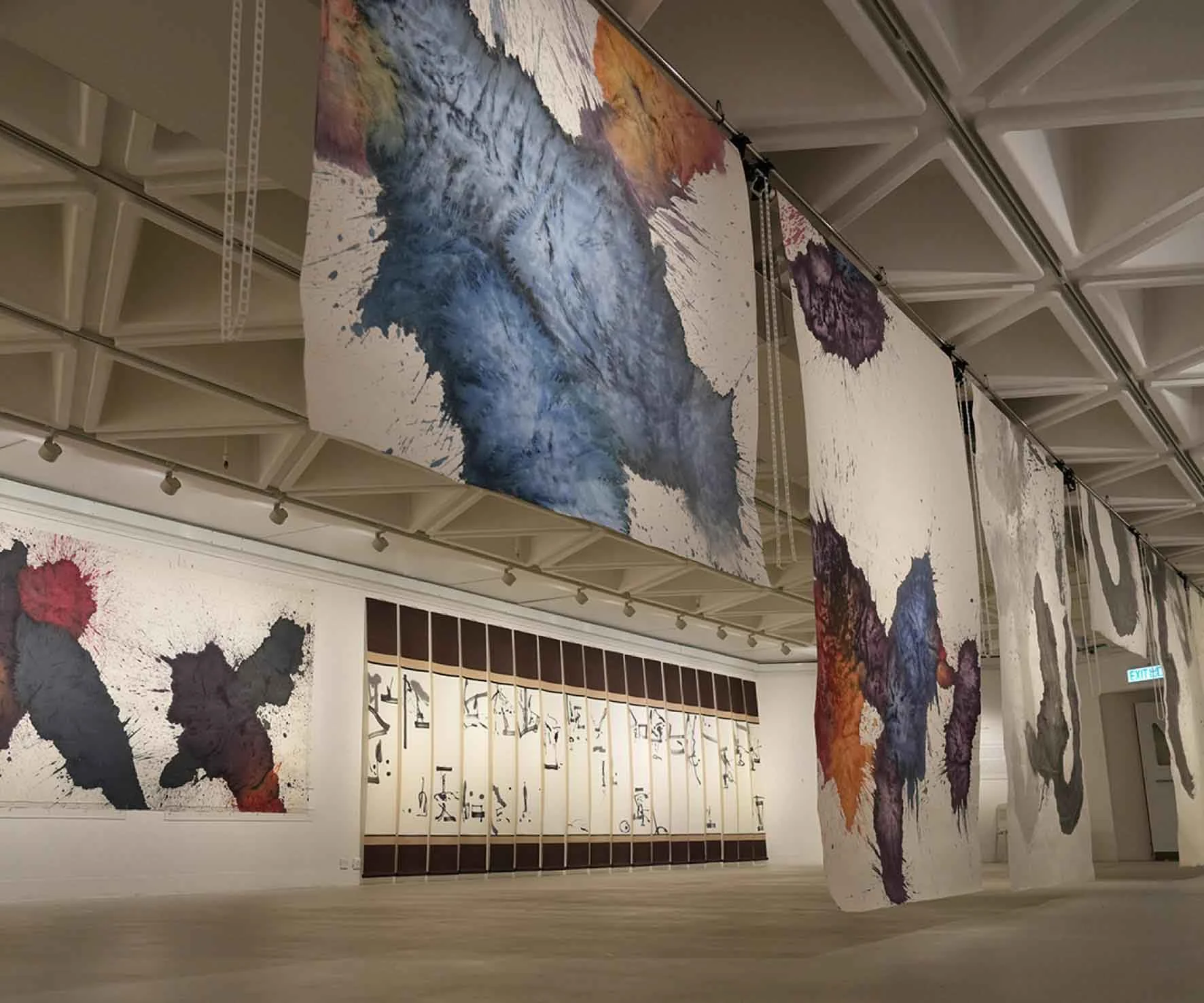
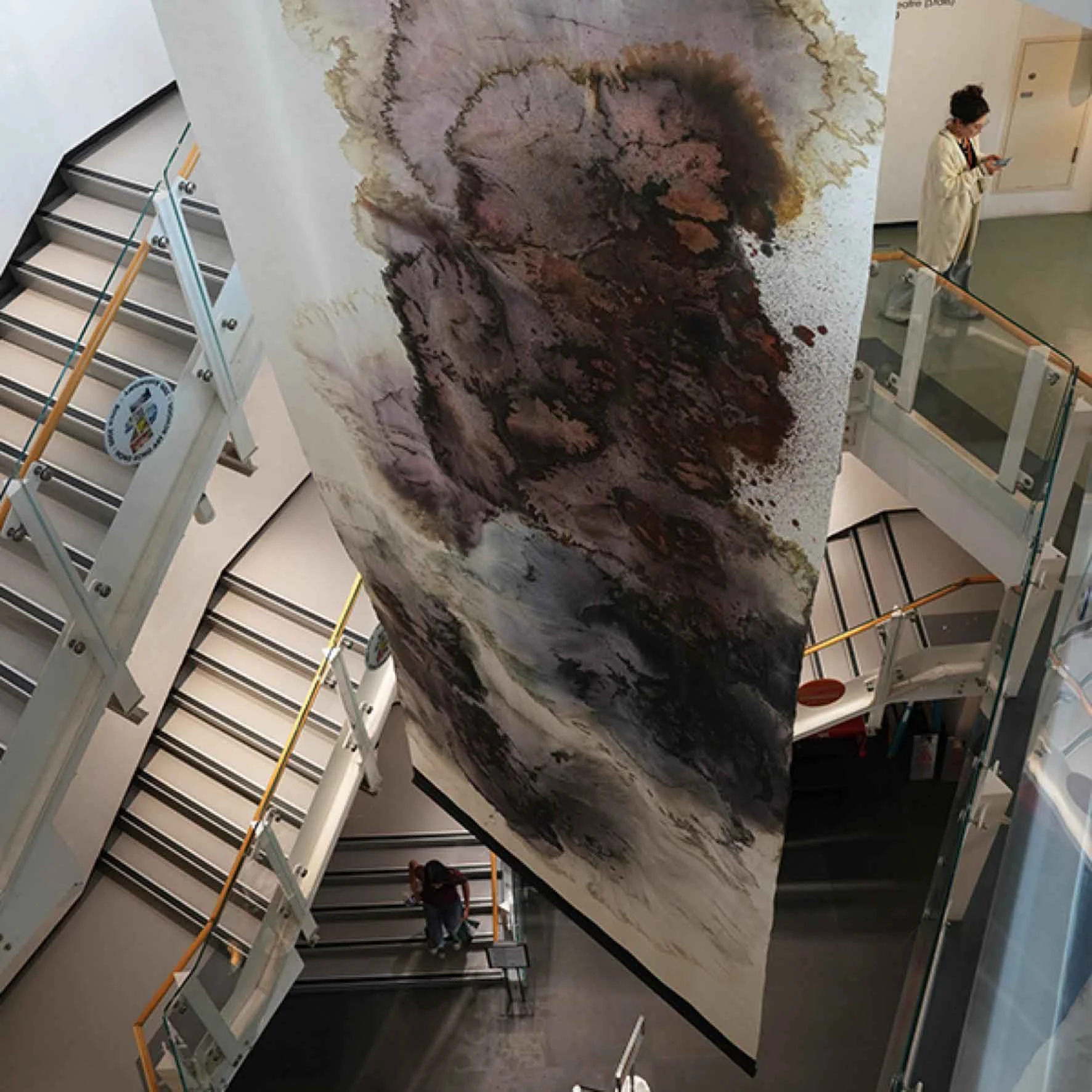
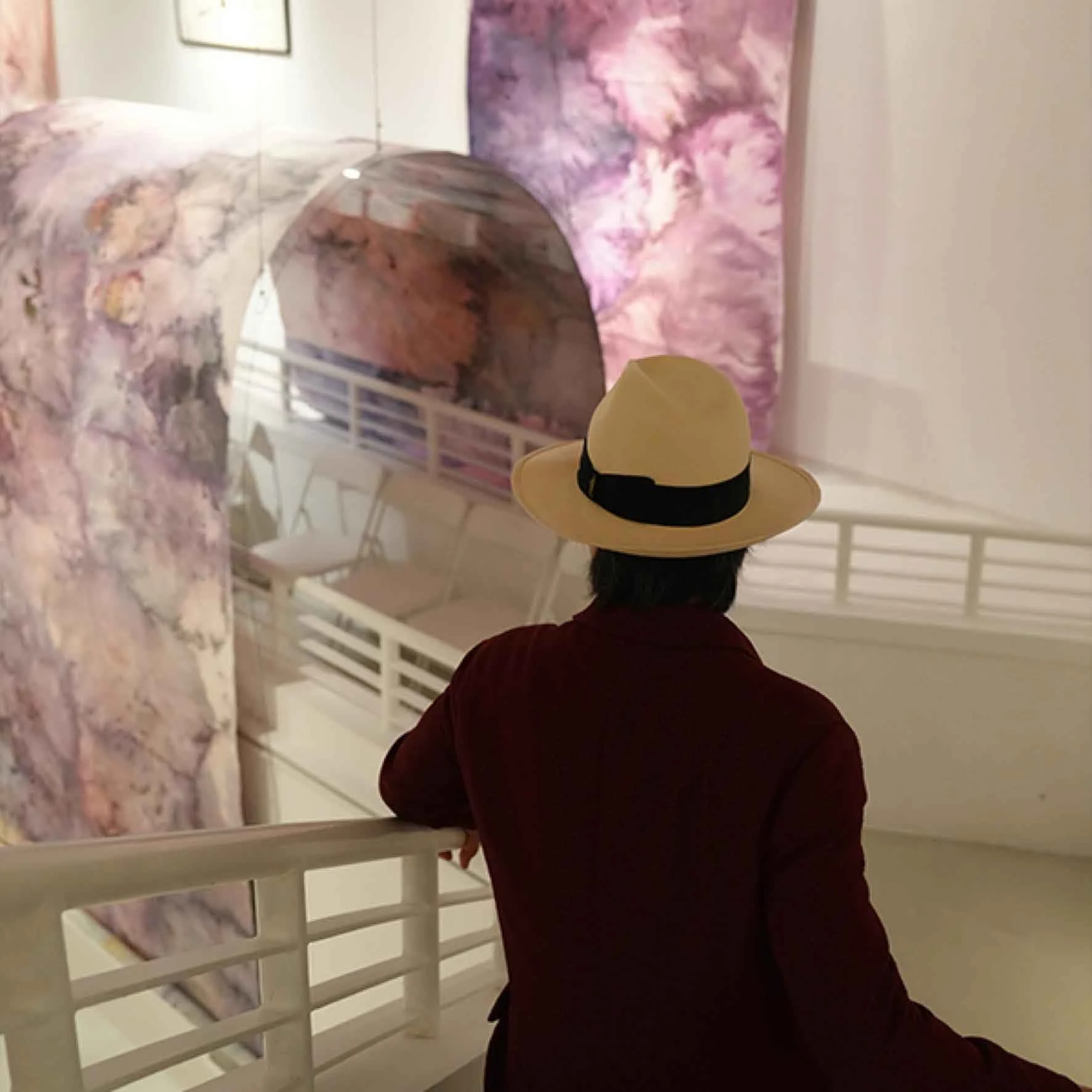
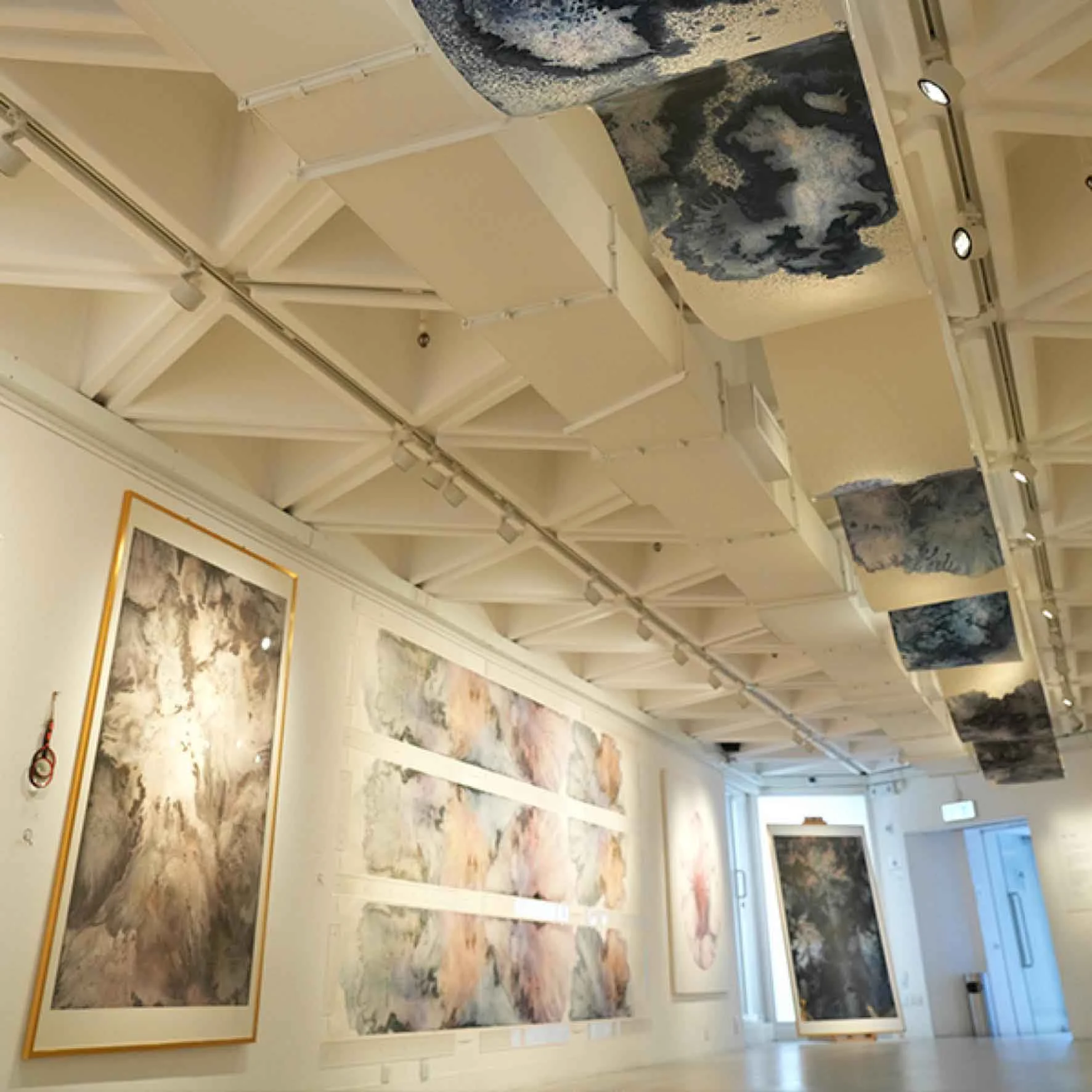
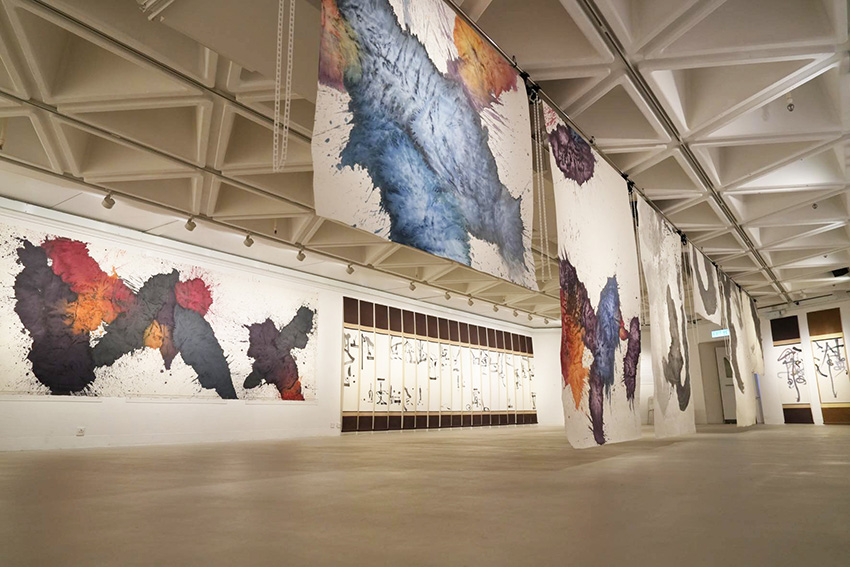
是次展覽正是以此概念為開端,透過陳子慧老師不同時期與媒介的創作系列,為觀眾鋪陳出一個可供「讀懂」的視覺語境。從陳老師早年以書法為基礎的視覺語言,到後來轉化為創意無限的電影故事板的敘事結構,再到疫情期間對自然與生命反思所創作的「冰畫」系列,陳子慧老師在每一個創作階段都代表著他對當代社會獨特的情感表達與感知方式。在展覽裏,每個系列成為彼此交織與互為的註腳。當中,陳老師早期的當代書法作品中留白與筆觸節奏,可在電影故事板的分鏡構圖中找到呼應;而「冰畫」中瞬間的定格與消融的意象,則可視為對「瞬間即永恆」的延伸概念與再詮釋。陳老師的作品同時體現了「大象無形」的道家哲學。老子所言的「道」的至高境界,強調宏大的事物常超越表象框架,以無形包容萬物。陳子慧的「冰畫」系列,正是這一智慧的具現,他通過對書法的再創造,展示了藝術如何打破傳統的束縛,賦予其更廣泛的文化意義和人類共通的情感。透過這些作品的對照與串聯,觀眾得以在展覽中建構出一種非線性、但層層遞進的理解路徑 —— 這正是這展覽呈現出的「共用知識結構」的深度實踐。
陳子慧老師此次個展,採用多重視角與非線性敘事,正是為了回應陳子慧作品本身的多義性與跨界的重要特質。展覽的觀看與理解的路徑多元,讓觀眾主動參與,在不同系列之間來回對照、拼湊,是承載著互相折射而不停提問思考的三個主軸,讓「懂」成為一場往返於創作者陳老師、藝術作品與觀眾之間的動態交流,這方式更能真正「懂」得陳子慧的創作核心 —— 那是陳老師對生命、時間與自然關係的持續追問與最真摯純粹的表達。
主軸當中「陳子慧 —— 以第一人稱去思考自己:陳子慧本人懂嗎?」,把焦點完全放在藝術家身上:當陳老師利用他的書法透出他獨特的氣韻風骨,並轉化成電影故事敘事分鏡的停格或把冰塊的消融時如字宙一樣的變幻莫測定格在宣紙上,他和觀眾都能讀懂他的無限想像力?在陳子慧老師的世界中,他的創作是豐富情感與想像力融和下的美好成果,也是陳老師透過各種藝術形式的創作與天地萬物相接,讓天地自然在陳子慧的創作中變成如徐復觀所言:蕩氣有情、活力滿滿的生命體 (1966,93),由展覽裡展出當年具前曕性的電影手繪故事板與工作手繪,也讓觀眾開始一步步看「懂」陳子慧自我反思的過程與他獨有的純粹性 —— 那是一連串自我發現再重生的痕跡,證明「懂」並非內在的確信,而是持續不斷堅持的動力與感知。
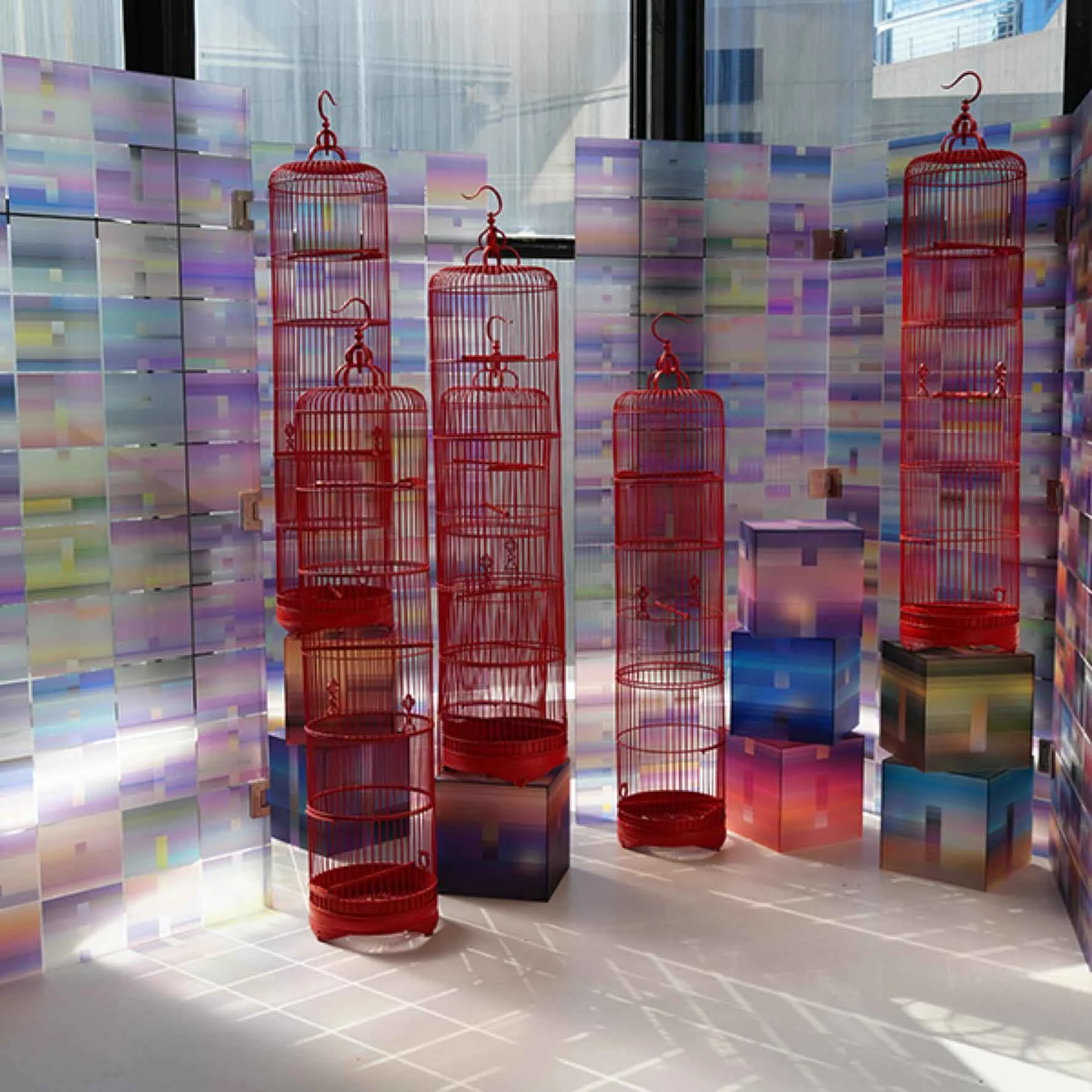
此展覽,陳老師也希望讓「觀眾 —— 以第三人稱思考:你懂陳子慧嗎?」把話語權交給站在作品前的「你」。當你發現書法裡深邃的飛白,狂逸但柔情的筆觸則與冰畫眾色彩滲透技法所產生的流動形態肌理的變幻之美如出一轍,或者察覺故事板中某格空白竟與書法留白同拍,你開始在陳老師的展覽裏拼湊出屬於自己的詮釋網絡;而 Fitzsimons 與 Anderson 也指出我們可以更好的共用的知識節點,陳老師的作品便更讓觀眾感同這節點。因此陳老師是次的個人展覽呈現很多互動的作品,並邀請大家進入陳子慧老師的世界, 感受他獨一無二的宇宙觀與觀眾之間的視覺對話,也讓「我懂你」並非只是情感直覺,而是透過進入這次展覽與陳老師作品、裝置與介紹,讓觀眾能與陳老師建立共通的語境與此時此刻的經驗基礎,真實地感知到作品所傳達的視覺體驗與深刻的文化思考。
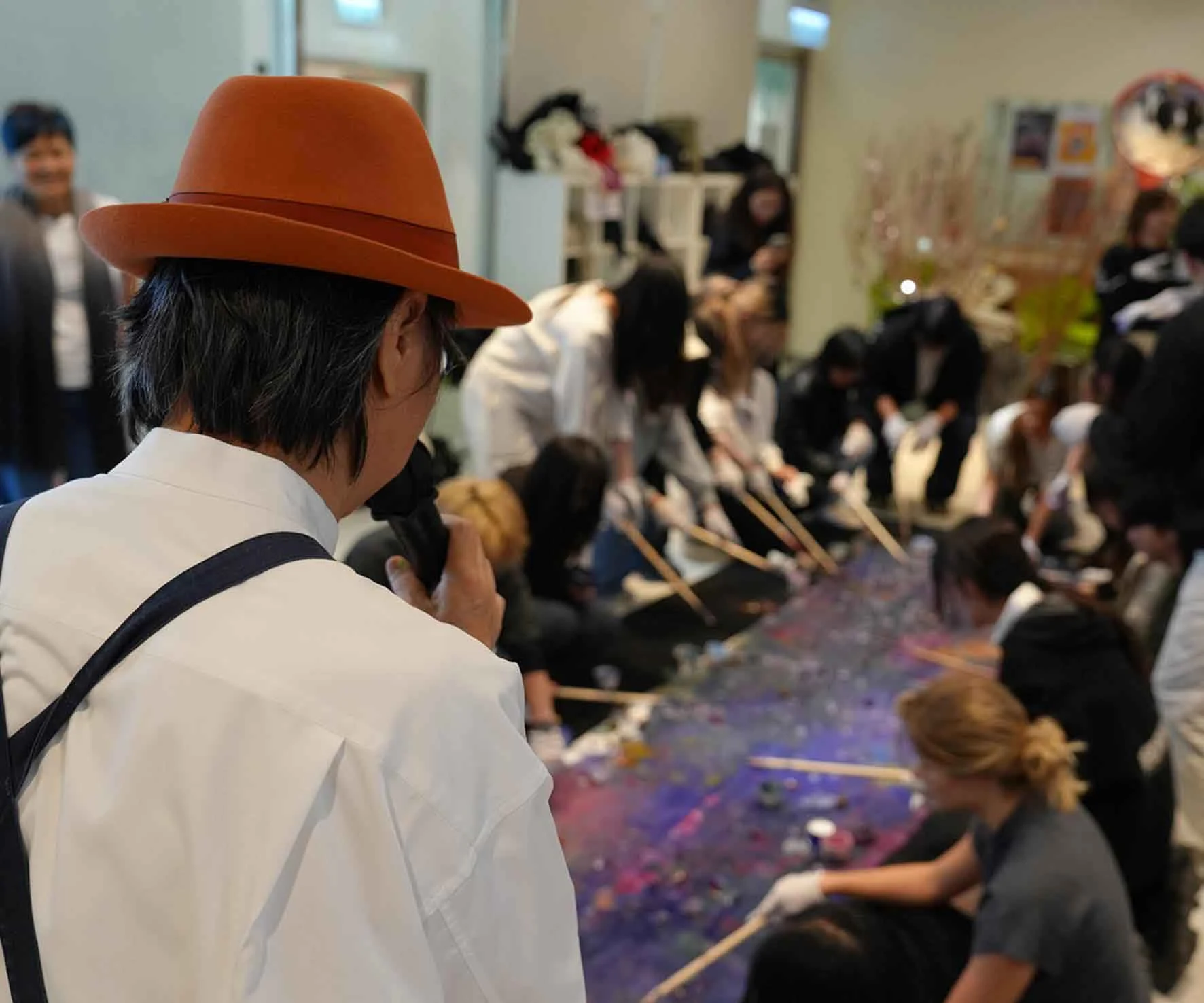
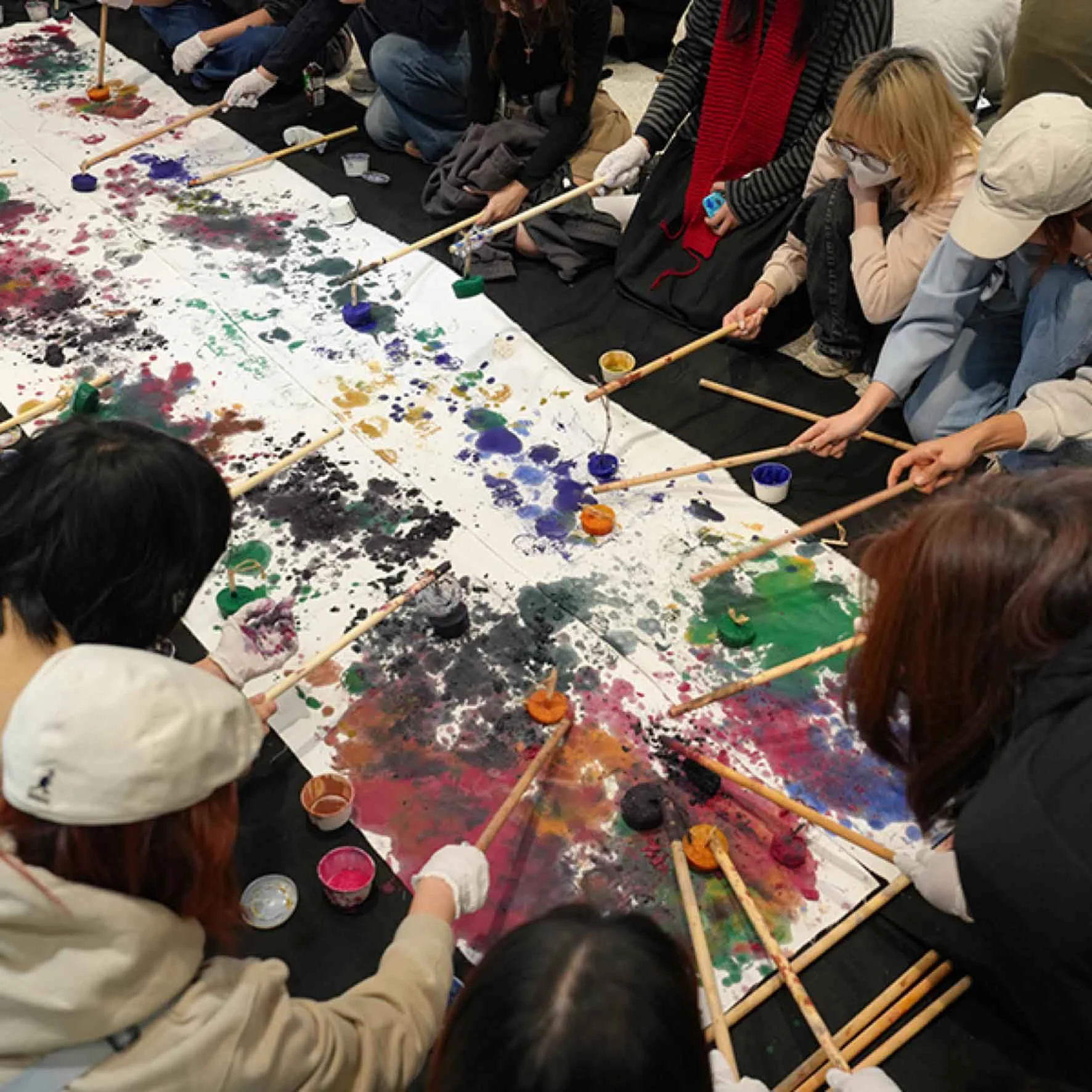
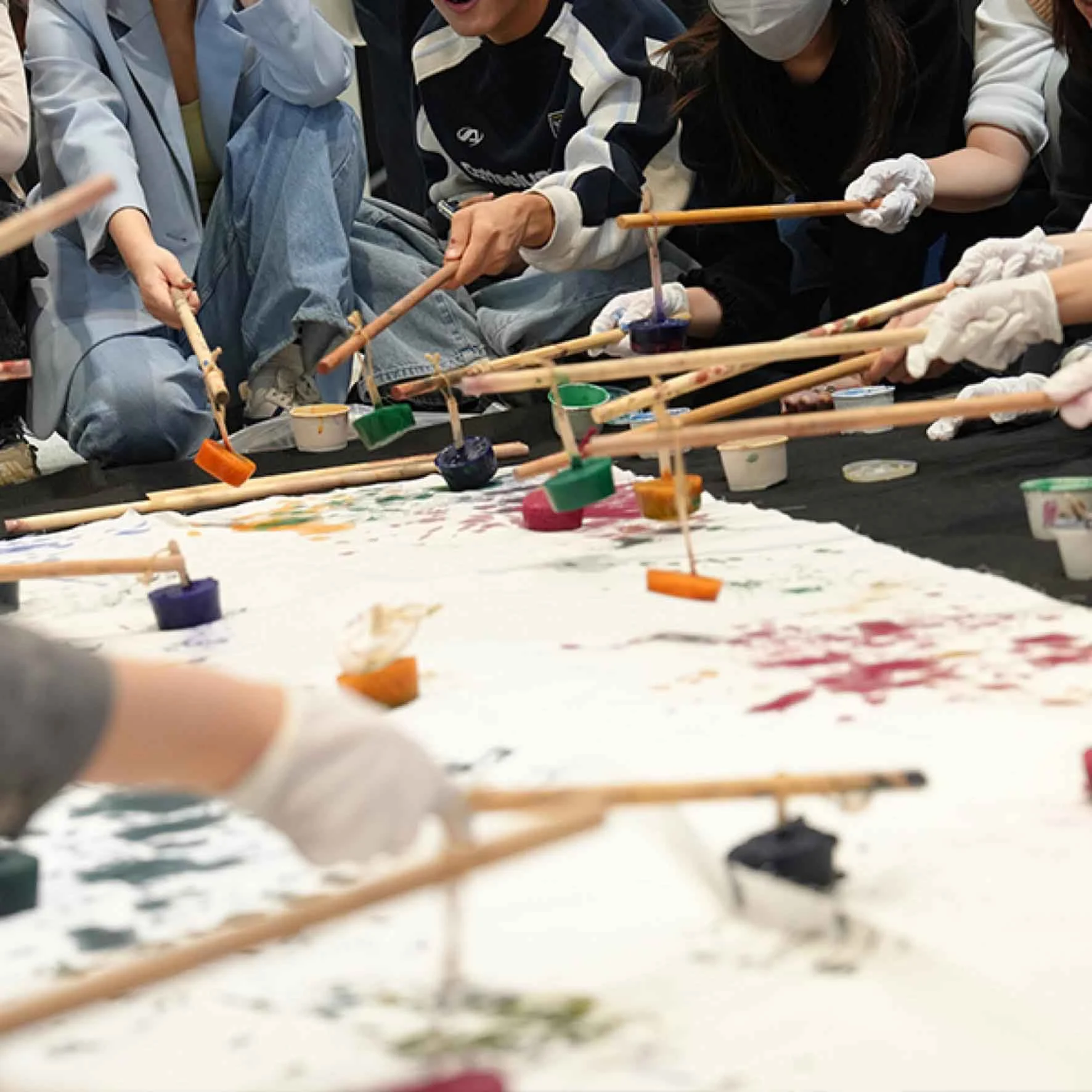
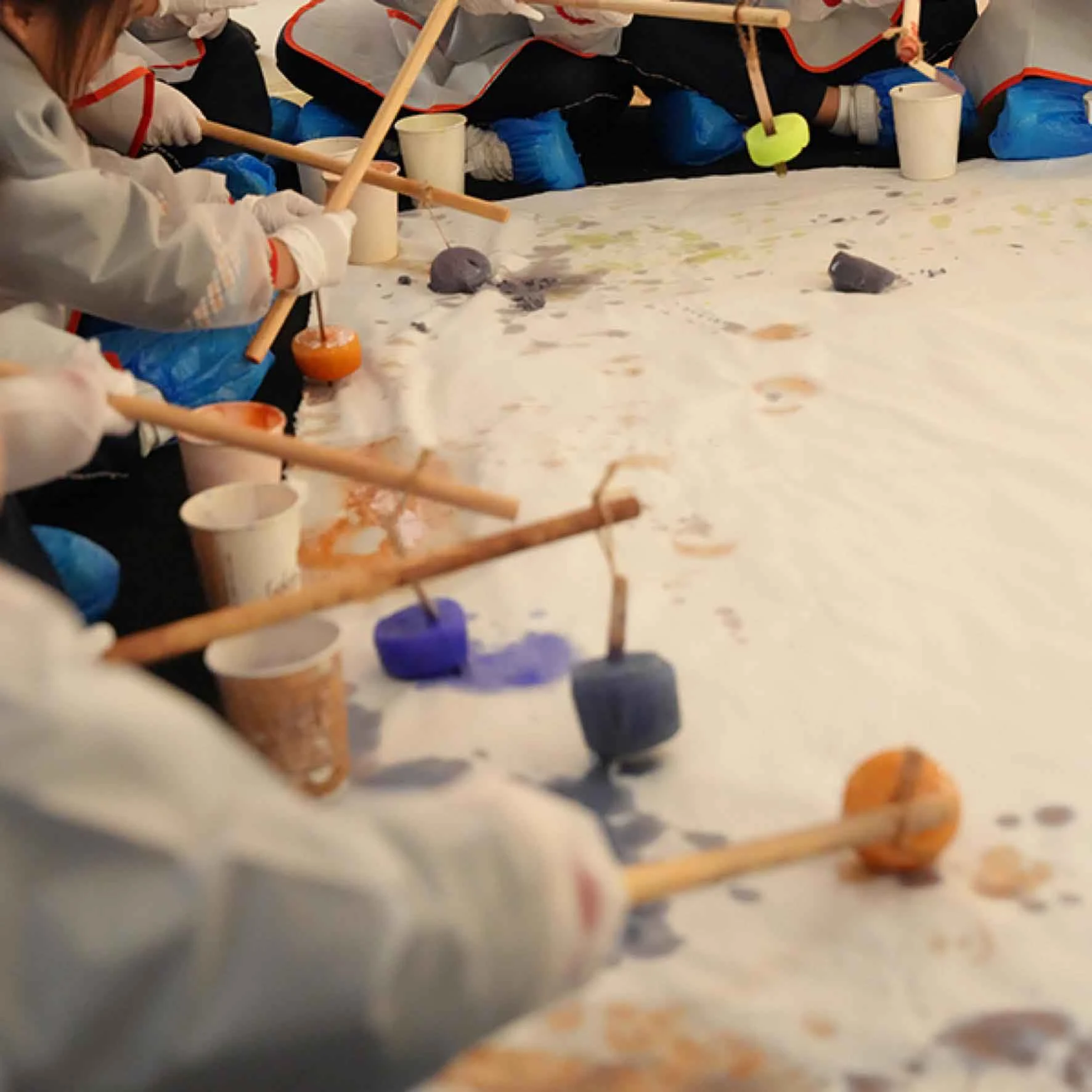
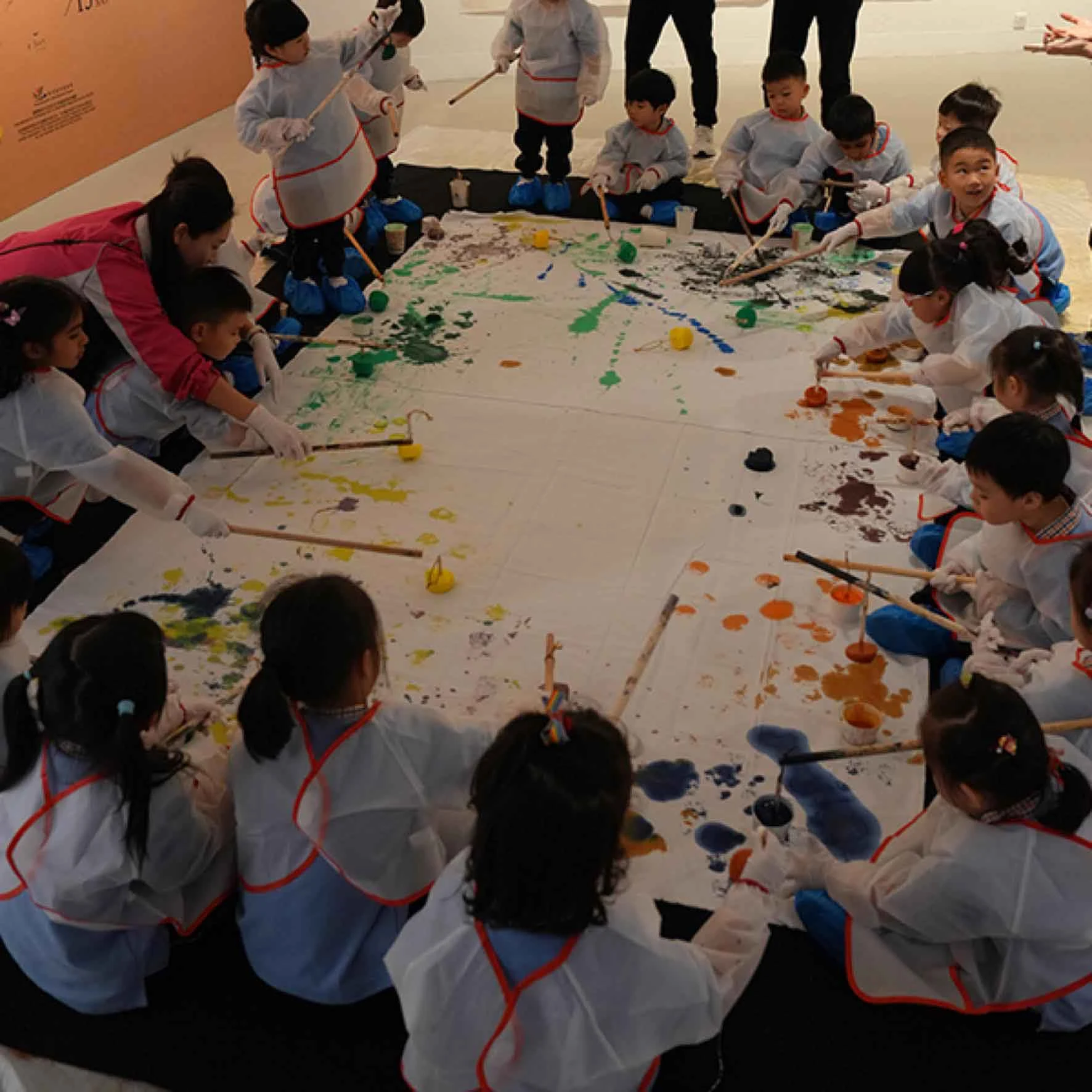
最後,「陳子慧與觀眾,真的『懂』嗎?什麼為之『懂』?『懂』什麼?」把兩端放到一起,卻不急於縫合。展覽展出期間也會同時舉辦陳老師的大學講座、與公眾互動的冰畫工作坊以及藝術家和策展人跟觀眾直接接觸的導賞,讓大眾和陳老師產生更多的藝術與文化的交流互動;此刻「懂」不再是認知層面的達成,而是身體與物質、藝術家與觀眾共同完成的一次「共組」。「懂」不是靜態的答案,而是雙方透過展覽與其他延伸活動願意持續、瞭解感知、共用知識結構後,陳老師一直以藝術創作來保持開放的提問 —— 正因其不可終結,跨界與靈魂的深刻交談才得以無盡延展,也更突顯藝術家對人性、自然與未來的深層凝視。
陳子慧老師近年足跡遍佈全球,此次將半世紀創作一併帶回香港 —— 從七零年代的具前瞻性的水墨實驗作品到廿一世紀的冰畫宇宙,恍若把時差折疊進同一空間裏。讓我們把「你懂嗎?」的問號留在入口,大家一起走進陳子慧老師的個展,在書法的留白飛語、分鏡的定格與冰塊的流淌定格之間,與陳老師一起把「懂」活成不斷發酵的現在進行式:當最後一滴彩冰滲透宣紙上,當最後一格故事板被大眾目光點亮,真正的展覽才在每個人心裏剛剛開幕 —— 而「你懂嗎–陳子慧–你懂嗎?」的展覽,正是讓這場無限對話繼續參與和互動的一個重要實驗場。
參考文獻:
Fitzsimons, G. M., & Anderson, J. E. (2013). Interpersonal cognition: Seeking, understanding, and maintaining relationships [人際認知:尋求、理解與維持關係]. In D. Carlston (Ed.), The Oxford handbook of social cognition [社會認知的牛津手冊] (pp. 590–591). Oxford University Press.
徐復觀. (1966). 中國藝術精神. 臺中: 東海大學.
The exhibition, titled "Do You Know - David Chan - Do You Know?", brings forth Master Chan's longstanding artistic practice and creative philosophy — multifaceted perspectives and empathetic thinking and creation. The exhibition's three angles of contemplation and observation transform every viewing into a starting point for re-questioning.
1. David Chan – In the first person, reflexively asking oneself: "David Chan," do you truly know yourself?
2. The Audience – In the third person, posing the question: "You," do you know David Chan?
3. David Chan and the Audience – Do "each other" truly know? What does "know" mean? And what exactly is being "known"?
In their research, Fitzsimons and Anderson point out that "knowing" is not an intuitive perception; it requires exhaustive effort, sustained endeavor, and interaction to build relationships, thereby cultivating an accurate grasp of others' inner worlds and empathy (2014, 590). As for the accuracy of understanding, it can be achieved through shared knowledge structures — if viewers and creators can establish a common context or experiential foundation, they can more precisely perceive the emotions and ideas conveyed by the work (2014, 591).
This exhibition takes this concept as its starting point, laying out a visual context for audiences to "read and comprehend" through Master Chan's creative series from different periods and media. From Master Chan's early visual language rooted in calligraphy, to its later transformation into the boundless creativity of narrative structures in movie storyboards, and then to the "Ice Painting" series created during the pandemic as reflections on nature and life, each stage of Master Chan's creation represents his unique emotional expression and perception of contemporary society. In the exhibition, each series becomes interwoven footnotes to one another. Among them, the blanks and rhythmic brushstrokes in Master Chan's early contemporary calligraphy works find echoes in the framing compositions of the movie storyboards; while the instantaneous freezes and melting imagery in the "Ice Paintings" can be seen as an extension and reinterpretation of the concept "the instantaneous is eternal." Master Chan's works also embody the Daoist philosophy of "the great image has no form." Laozi's supreme realm of the "Dao" emphasizes that grand things often transcend superficial frameworks, encompassing all things in formlessness. Master Chan's "Ice Painting" series is a manifestation of this wisdom; through his recreation of calligraphy, he demonstrates how art breaks free from traditional constraints, endowing it with broader cultural significance and universally shared human emotions. Through the contrasts and connections among these works, audiences can construct a non-linear yet progressively layered path of understanding in the exhibition — this is a profound practice of the "shared knowledge structure" presented by the exhibition.
Master Chan's solo exhibition this time adopts multiple perspectives and non-linear narratives precisely to respond to the inherent polysemy and interdisciplinary qualities of his works. The diverse paths for viewing and understanding empower audiences to actively participate, shuttling back and forth between series, piecing them together, carried by three main axes that mutually reflect and ceaselessly provoke questioning and reflection. This turns "knowing" into a dynamic exchange shuttling between Master Chan, the artworks, and the audience — a method that truly allows one to "understand" the core of Master Chan's artworks: Master Chan's ongoing inquiry into the relationships among life, time, and nature, and his most sincere and pure expressions.
The first axis, "David Chan – Contemplating Oneself in the First Person: Does David Chan Himself Understand?", focuses entirely on the artist: When Master Chan channels his unique spirit and style through calligraphy, transforming it into the frozen frames of movie storyboard narratives or capturing the universe-like, unpredictable transformations of melting ice on Xuan paper, can both he and the audience read his boundless imagination? In Master Chan's world, his artworks are the beautiful fruits of rich emotions and imagination fused together; they are also Master Chan's way of connecting with heaven and earth through various artistic forms, turning the natural world into, as what Xu Fuguan describes, a vibrant, emotionally resonant life force in his works (1966, 93). The exhibition displays pioneering hand-drawn movie storyboards and sketches from that era, allowing audiences to gradually understand Master Chan's process of self-reflection and his unique purity — a series of traces of self-discovery and rebirth, proving that understanding is not an inner certainty, but a persistent drive and perception that endures ceaselessly.
In this exhibition, Master Chan also hopes to hand over the discourse to "The Audience – Contemplating in the Third Person: Do You Understand David Chan?" — empowering the "you" standing before the works. When you discover the profound flying white in the calligraphy, the wild yet tender brushstrokes that mirror the fluid, transformative textures born from the color permeation techniques in the ice paintings, or notice how a blank frame in the storyboard syncs with the calligraphy's negative space, you begin to assemble your own interpretive network within Master Chan's exhibition. As Fitzsimons and Anderson also note, we can better share knowledge nodes, and Master Chan's works make audiences empathize with these nodes. Therefore, Master Chan's solo exhibition this time presents many interactive works, inviting everyone to enter his world, to feel his one-of-a-kind cosmological view and the visual dialogues between it and the audience. This turns "I know you" from mere emotional intuition into a tangible perception of the visual experiences and profound cultural reflections conveyed by the works, achieved through entering this exhibition, engaging with Master Chan's pieces, installations, and introductions, thereby establishing a shared context and experiential foundation with him in the here and now.
Finally, "David Chan and the Audience: Do We Truly 'Know'? What Constitutes 'Knowing'? What Are We 'Understanding'?" brings both ends together without rushing to suture them. During the exhibition period, Master Chan's university lectures, interactive ice painting workshops with the public, and guided tours involving direct contact between the artist, curator, and audiences will also be held simultaneously, fostering more artistic and cultural exchanges and interactions between the public and Master Chan. At this moment, "knowing" is no longer merely a cognitive achievement but a "co-assembly" completed jointly by bodies, materials, the artist, and the audience. "Knowing" is not a static answer but something both parties are willing to sustain through the exhibition and its extended activities — perceiving, sharing knowledge structures — and Master Chan's persistent openness to questioning through artistic creation. Precisely because it is unending, this interdisciplinary and soul-deep conversation can extend infinitely, further highlighting the artist's profound gaze upon humanity, nature, and the future.
Master Chan's footprints have spanned the globe in recent years; this time, he brings half a century of creations back to Hong Kong — from the forward-looking ink experiments of the 1970s to the ice painting universe of the 21st century, as if folding time differences into the same space. Let us leave the question mark of "Do You Know?" at the entrance, and together step into Master Chan's solo exhibition. Amid the calligraphy's blank whispers, the storyboard's frozen frames, and the ice's flowing captures, we join Master Chan in living "knowing" as an ever-fermenting present continuous: When the last drop of colored ice permeates the Xuan paper, when the final storyboard frame is illuminated by the public's gaze, the true exhibition only just opens in each person's heart — and the exhibition "Do You Know - David Chan - Do You Know?" is an important experimental field that allows this infinite dialogue to continue through participation and interaction.
References:
Fitzsimons, G. M., & Anderson, J. E. (2013). Interpersonal cognition: Seeking, understanding, and maintaining relationships. In D. Carlston (Ed.), The Oxford handbook of social cognition (pp. 590–591). Oxford University Press.
Xu, F. G. (1966). Zhongguo Yishu Jingshen [The Spirit of Chinese Art]. Tunghai University.
【專訪】筆墨繪人生分鏡圖 陳子慧:「知天命」而「從心所欲」|2025 —— From The Culturist | 2025